If you use Gates in the Laravel project for roles/permissions, you can add one condition to override any gates, making a specific user a super-admin. Here’s how.
Let’s imagine you have this line in app/Providers/AuthServiceProvider.php, as per documentation:
public function boot()
{
    Gate::define('update-post', function (User $user, Post $post) {
        return $user->id === $post->user_id;
    });
}
And in this way, you define more gates like create-post, delete-post, and others.
But then, you want some User with, let’s say, users.role_id == 1 to be able to do ANYTHING with the posts. And with other features, too. In other words, a super-admin.
All you need to do is, within the same boot() method, add these lines:
In web development, data integrity and accuracy are important. Therefore, we need to be sure that we are writing code that securely stores, updates, and deletes data in our databases. In this article, we’ll take a look at what database transactions are, why they’re important, and how to get started using them in Laravel. We will also look at typical problems associated with queued jobs and database transactions.
What are database transactions
Before we get started with transactions in Laravel, let’s take a look at what they are and how they are useful.
A transaction is an archive for database queries. It protects your data thanks to the all-or-nothing principle.
Let’s say you transfer money from one account to another. In the application, it looks like several operations
What if one request succeeds and the other fails? Then the integrity of the data will be violated. To avoid such situations, the DBMS introduced the concept of a transaction – an atomic impact on data. That is, the transfer of the database from one holistic state to another. In other words, we include several requests in the transaction, which must all be executed, but if at least one is not executed, then all the requests included in the transaction will not be executed. This is the all-or-nothing principle.
Using database transactions in Laravel
Now that we have an idea about transactions, let’s look at how to use them in Laravel.
First, let’s see what we have in the wallets table
The first request passed, but the second one failed. And in the end: the funds from the first account were gone, but they did not come to the second one. Data integrity has been violated. To prevent this from happening, you need to use transactions.
It’s very easy to get started with transactions in Laravel thanks to the transaction() method, which we can access from the DB facade. Based on the previous code example, let’s look at how to use transactions in Laravel.
useIlluminate\Support\Facades\DB;publicfunctiontransfer(){DB::transaction(function(){Wallet::where('id',1)->decrement('amount',100);Wallet::where('id_',2)->increment('amount',100);// <-- left an error});}
Let’s run the code. But now both requests are in a transaction. Therefore, no query should be executed.
All requests were completed without errors, so the transaction was successful. The amounts on the wallets have changed.
This was a simple example using a closure. But what if you have third-party services whose response is important and should affect an event in the code? Because not all services return exceptions, some just return a boolean. To do this, Laravel has several methods for manually processing transactions.
DB::beginTransaction() – for defining a transaction
DB::commit() – to execute all queries after DB::beginTransaction()
DB::rollBack() – to cancel all requests after DB::beginTransaction()
Let’s consider them with an example. We have a wallet with a balance of $100, and we have a card with a balance of $50, we want to use both balances to transfer $150 to another wallet.
Data integrity has been violated. Since the service does not throw an exception so that the transaction is not completed, but only returns a false value and the code continues to work. As a result, we replenish the balance by 150 without deducting 50 from the card
Now we use the above methods to manually use transactions
Thus, if a third-party service returns false to us, then by calling DB::rollBack() we will prevent the execution of requests and preserve the integrity of the data
Far-left commentators earlier this week tried to cancel Matt Walsh over some comments he made years ago about unwed pregnancies and the historical ages at which women used to begin childbearing.
With New York Comic Con underway this weekend, Paramount shared a new trailer for the final season of Star Trek: Picard. After the previous teasers mostly played up the nostalgia of the principal cast of The Next Generation returning to the franchise, the new trailer finally offers a look at season three’s story. And judging from the clip, Picard will end with a bang.
The trailer opens with Starfleet facing an entirely new threat in the form of an alien vessel called the Shrike. What follows is a fun series of scenes that sees Admiral Jean-Luc Picard recruit his old friends, some of them a little less than willing, to face a villain played by Pulp Fiction’s Amanda Plummer. There’s something satisfying about seeing how characters like Worf have changed in unexpected ways in their later years. Even more unexpected are the two cameos at the end of the trailer. Daniel Davis is back as holographic Professor Moriarty, while Brent Spiner will play Data’s evil Android twin, Lore.
Alongside a new trailer for Star Trek: Picard, Paramount also shared fresh teasers for season five of Discovery and the midseason return of Prodigy. The latter will debut on October 27th, while the former is expected to arrive sometime next year. The final season of Picard will begin streaming on February 16th, 2023.
A slick 55-inch 4K Smart TV for $112? Could that even be a real thing? It might be for Amazon Prime members: Last Thursday, Amazon released some of the deals members can expect to find during its Prime Early Access Sale, a two-day sale intended to kick off the holiday shopping season. And at the top of that list is the Amazon Fire TV Omni Series 55-inch 4K Smart TV (with hands-free Alexa) that will be 80% off its $559.99 market price, for a grand total of $112. (As of this writing, it’s “on sale” for $509.99.)
With anything Amazon-related, a healthy dose of skepticism is both fair and good. They use tricks to encourage shoppers to impulse-buy things they don’t really need or even want, which can then hardly count as a true deal. As Lifehacker staff writer Stephen Johnson has previously said:
In spite of the many, many online guides about how to take advantage of the savings, there’s only one piece of advice you actually need for Prime Day if you want to save money: Don’t buy anything you weren’t planning to buy already. There’s also a corollary: if you do find a bargain on something you wanted anyway, make sure it’s actually a bargain.
Most of the time, the best deals that are worth the hype tend to be Amazon’s own products—as is this TV, which reinforces that idea. So if you were already in the market for a new TV, read the reviews for this specific model to see if it fits your needs. The sale begins Tuesday, Oct. 11. There is no mention of how many will be in stock, so if you’ve decided this deal is for you, add the TV to your cart now, and make sure your address and forms of payments are up to date. Once the sales become live, you’ll be ready to snatch one for yourself.
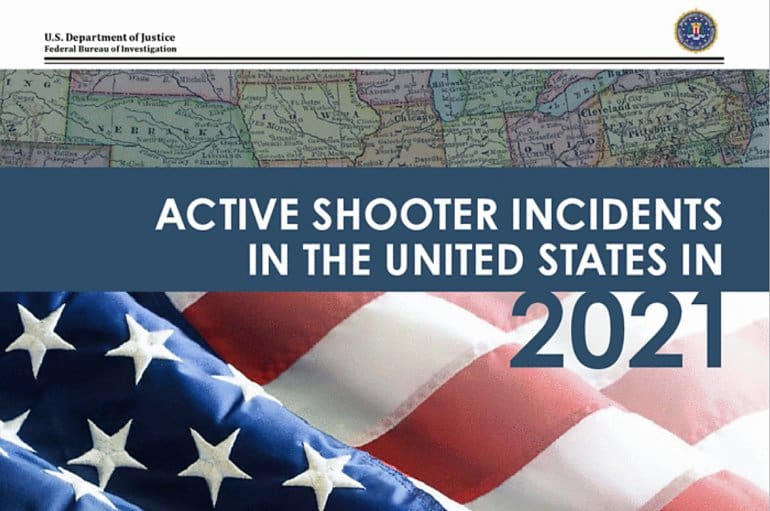
The Federal Bureau of Investigation continues to tarnish its own reputation by vastly downplaying — by a factor of more than 10 — the number of incidents in which armed Americans stop spree killers. According to the FBI, the same people who can find no evidence of crime on Hunter Biden’s laptop, only 4.4% of these incidents were stopped by a good guy “civilian” with a gun. Analysis by the Crime Prevention Research Center shows the actual number is closer to 50% or more in some instances.
Not only that, but with each passing year, the numbers of spree killings cut short by everyday Americans carrying firearms continues to steadily grow. That shouldn’t surprise anyone as more and more Americans get concealed carry licenses, to say nothing of the half of the nation now living under constitutional carry laws where good guys don’t need a permission slip to carry.
What’s more, in non-“gun-free” zones where good guys aren’t prohibited from carrying lawfully, the number of mass murders interrupted is over 50%.
Image by Boch. Base image by Crime Prevention Research Center.
The CPRC, John Lott’s group, took the time to do the research and what they found is truly appalling. Example: the FBI claimed the would-be murder spree in a White Settlement, Texas church wasn’t stopped by a civilian good guy. Instead, the FBI massaged that case and sorted it as a “security guard” stopping the attack.
How did the Fibbies’ galaxy brains steer that away from a “good guy with a gun” description? They claimed that because Jack Wilson volunteered as church security, he was a “security guard.”
You be the judge. Was that Mr. Wackenhut or Ms. Securitas who took down this killer, or was it an everyday good guy with a gun?
The shooting that killed three people and injured another at a Greenwood, Indiana, mall on July 17 drew broad national attention because of how it ended – when 22-year-old Elisjsha Dicken, carrying a licensed handgun, fatally shot the attacker.
Evidence compiled by the Crime Prevention Research Center shows that the sources the media relied on undercounted the number of instances in which armed citizens have thwarted such attacks by an order of more than ten, saving untold numbers of lives. Of course, law-abiding citizens stopping these attacks are not rare. What is rare is national news coverage of those incidents. Although those many news stories about the Greenwood shooting also suggested that the defensive use of guns might endanger others, there is no evidence that these acts have harmed innocent victims.
An analysis by my organization identified a total of 360 active shooter incidents during that period and found that an armed citizen stopped 124. A previous report looked at only instances when armed civilians stopped what likely would have been mass public shootings. There were another 24 cases that we didn’t include where armed civilians stopped armed attacks, but the suspect didn’t fire his gun. Those cases are excluded from our calculations, though it could be argued that a civilian also stopped what likely could have been an active shooting event.
The FBI reported that armed citizens thwarted 4.4% of active shooter incidents, while the CPRC found 34.4%.
As usual with John Lott’s research, there’s a ton of details and background information at the link. Go read it.
Two factors explain this discrepancy – one, misclassified shootings; and two, overlooked incidents. Regarding the former, the CPRC determined that the FBI reports had misclassified five shootings: In two incidents, the Bureau notes in its detailed write-up that citizens possessing valid firearms permits confronted the shooters and caused them to flee the scene. However, the FBI did not list these cases as being stopped by armed citizens because police later apprehended the attackers. In two other incidents, the FBI misidentified armed civilians as armed security personnel. Finally, the FBI failed to mention citizen engagement in one incident.
For example, the Bureau’s report about the Dec. 29, 2019 attack on the West Freeway Church of Christ in White Settlement, Texas, that left two men dead does not list this as an incident of “civic engagement.” Instead, the FBI lists this attack as being stopped by a security guard. A parishioner, who had volunteered to provide security during worship, fatally shot the perpetrator. That man, Jack Wilson, told Dr. John Lott that he was not a security professional. He said that 19 to 20 members of the congregation were armed that day, and they didn’t even keep track of who was carrying a concealed weapon.
It’s almost as if the Biden administration and Merrick Garland’s FBI have been working hard to smother the facts showing that good guys with guns do indeed stop bad people with evil in their hearts.
And that’s despite the fact that most of these shootings intentionally occur in “gun-free” zones, where only the good guys are disarmed and the bad guys know they’ll find defenseless victims. Because of this, we, as the armed citizenry, have one hand tied behind our back when it comes to these statistics. Even without the .gov’s stats massaging trickery.
Most people use rifle slings to carry a long gun when their hands are busy with other things. Various trends have come and gone, such as the three-point and one-point slings. Another classic style of sling that is not as common today is the shooting sling, which secures around the arm to add tension and […]
Through the pandemic, the user-created game platform that’s so popular with kids, Roblox, expanded its user base and decided to go public. Within two years, its value shot from less than $4 billion to $45 billion. Now it’s being sued—along with Discord, Snap, and Meta—by a parent who alleges that during the pandemic, Roblox became the gateway enabling multiple adult users to prey on a 10-year-old girl.
The lawsuit filed Wednesday in the San Francisco Superior Court shows how sexual predators can exploit multiple social platforms at once to cover their tracks while financially and sexually exploiting children. It alleges that, in 2020, Roblox connected a young girl called S.U. with adult men who abused her for months, manipulating her into sending payments using Roblox currency called Robux and inducing her to share explicit photos on Discord and Snapchat through 2021. As the girl grew increasingly anxious and depressed, the lawsuit alleges that Instagram began recommending self-harm content, and ultimately, S.U. had to withdraw from school after multiple suicide attempts.
Like many similar product liability lawsuits that social platforms have recently faced for allegedly addicting children and causing harms, this new lawsuit seeks to hold platforms accountable for reportedly continuing to promote the use of features that tech companies know can pose severe risks for minor users. And S.U.’s guardian, known as C.U. in the lawsuit, wants platforms to pay for profiting off systems that allegedly recklessly engage child users.
The lawsuit says that platforms neglect to prevent predator access to minors, suggesting cheap and simple fixes that platforms overlook because they’d potentially limit profits. These suggestions include warning minors about potential predatory engagement, verifying the age of account holders, restricting adult users from messaging minor users, banning adult users who message minors, or preventing minors from circumventing parental oversight by limiting minor’s access to certain features and abilities to create duplicate accounts.
A Roblox spokesperson told Ars, “While we do not comment on pending litigation, Roblox has a safety-first culture and works tirelessly to maintain a platform that is safe and civil for all.” Roblox also says it has a zero-tolerance policy for users “endangering or sexualizing children in any way” and takes “swift action against anyone found to be acting in breach of our Community Standards.”
Discord told Ars it scans every image on its platform to detect child sexual abuse materials and, echoing Roblox, said it has a zero-tolerance policy and takes immediate action when it becomes aware of child endangerment or sexual exploitation. “This includes proactively investigating and banning users, shutting down servers, and making targeted efforts to detect and disable accounts that violate our Terms of Service and Community Guidelines.”
Snap did not immediately provide comment to Ars.
Meta told Ars that it cannot comment on active litigation but says its “deepest sympathies are with anyone affected by these difficult and complex issues.”
Meta has, arguably, faced the most criticism on this issue, ever since whistleblower Frances Haugen told the US Senate how Facebook knowingly harmed young users. A Meta spokesperson told Ars that it has implemented changes on Instagram that are similar—though seemingly weaker—to the changes the lawsuit seeks.
“Teens automatically have their accounts set to private when they join Instagram, adults can’t message teens that don’t follow them, we don’t show accounts belonging to teens to some adults in places where we suggest content, and we have controls designed to limit the types of content teens see,” a Meta spokesperson told Ars.
As a result of S.U.’s experiences on Roblox, Discord, Snapchat, and Instagram, the girl’s guardian C.U. has since had to quit her “dream job” with the government, sacrificing benefits and a pension, to attend to S.U.’s escalated care needs. So far, C.U. says in the lawsuit that she has gone into $10,000 in debt from healthcare co-pays and that S.U. continues to need care for ongoing health issues.
The lawsuit seeks damages from social platforms to help recover the costs of S.U.’s medical care, as well as monetary damages for S.U.’s future care, C.U.’s income loss and future earning capacity, punitive damages, and more, to be determined, they’ve demanded, by a jury.
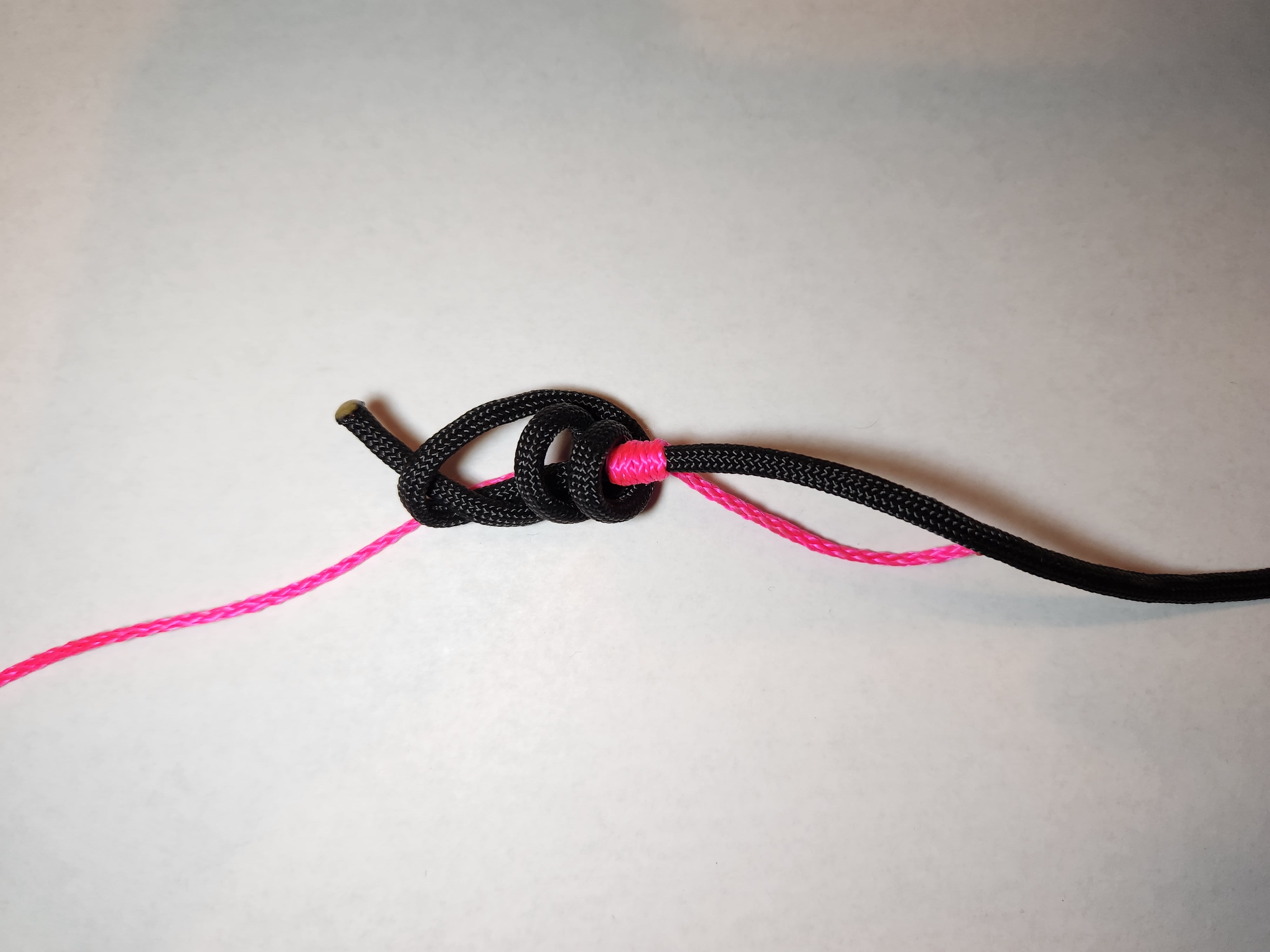
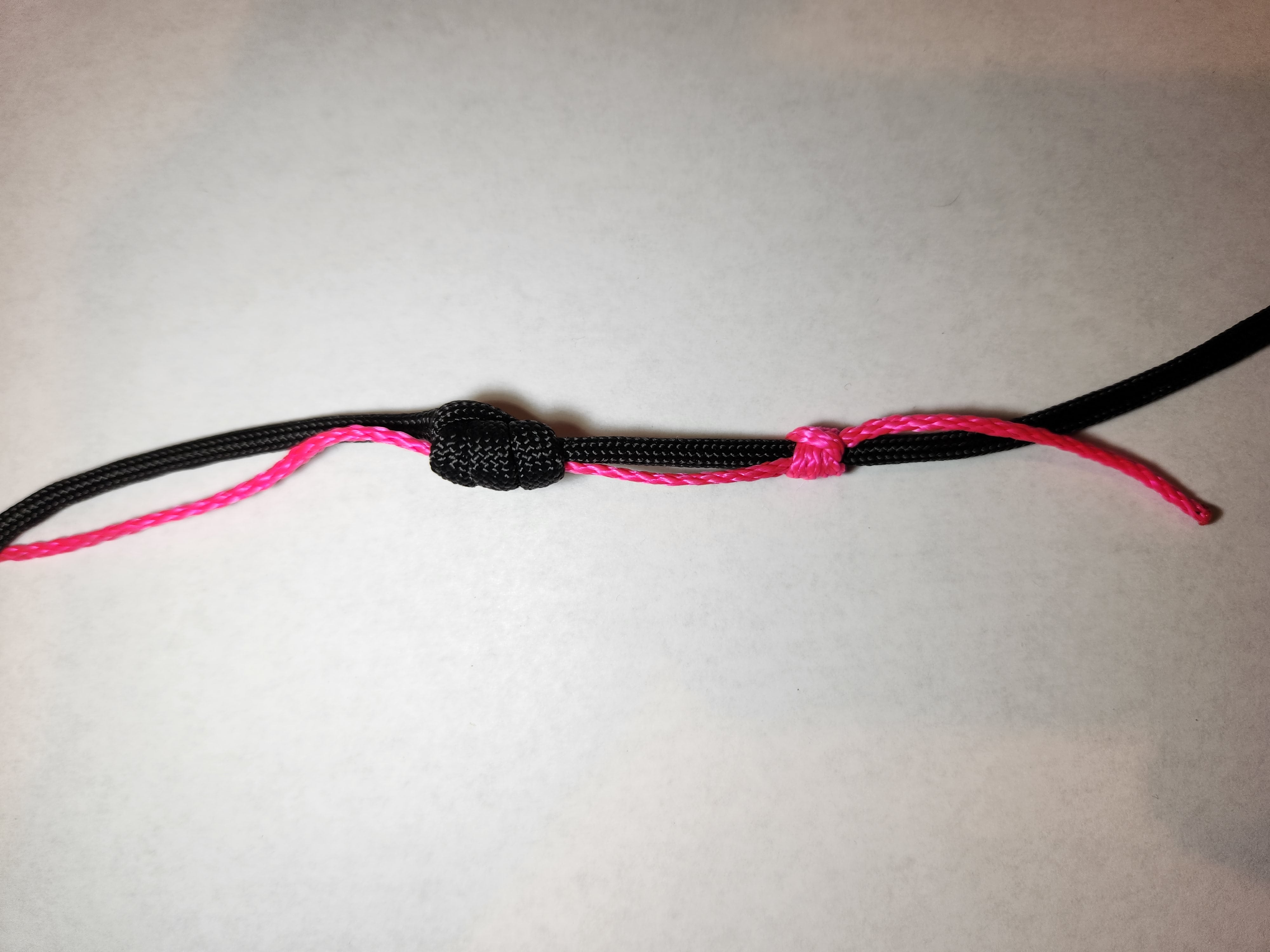
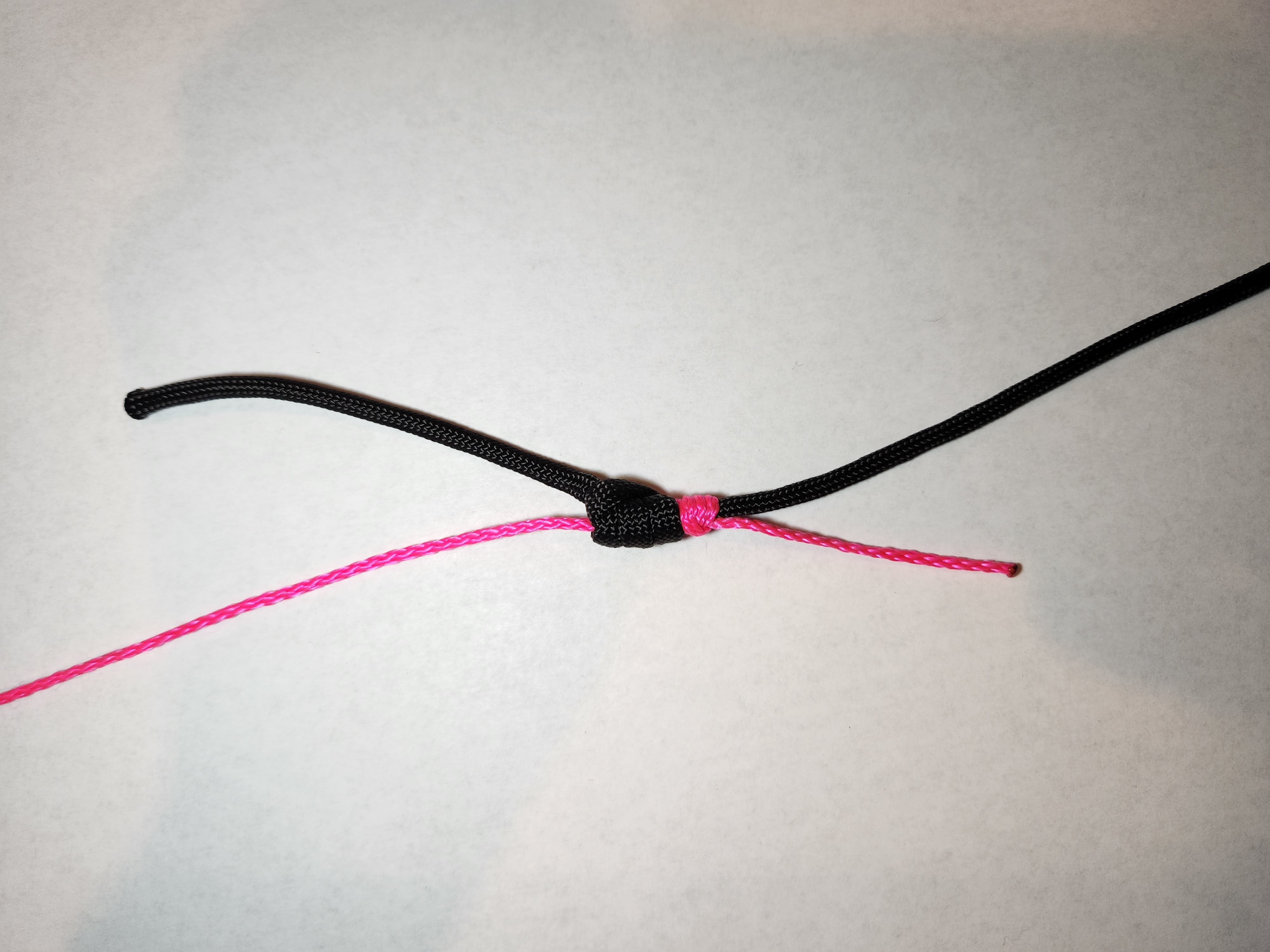
Where going with a different style of knot for this week, instead of a knot used to connect your fishing line or leader to a hook, swivel, or lure. I’m going to show you how to tie a Uni-to-Uni Knot, a line-to-line connection, perfect for tying a monofilament leader to your mainline, or in a pinch a line splice if you get partially spooled and need to add more line to a reel. The Uni-to-Uni Knot consists of two uni knots as the name implies. The knots are tied around the other line and then are pulled together to make a strong connection. This is a very strong line-to-line connection that is much easier than something like an FG Knot or Bobbin Knot, but does suffer from being bulky and not sliding through the guides as easily.
Step 1
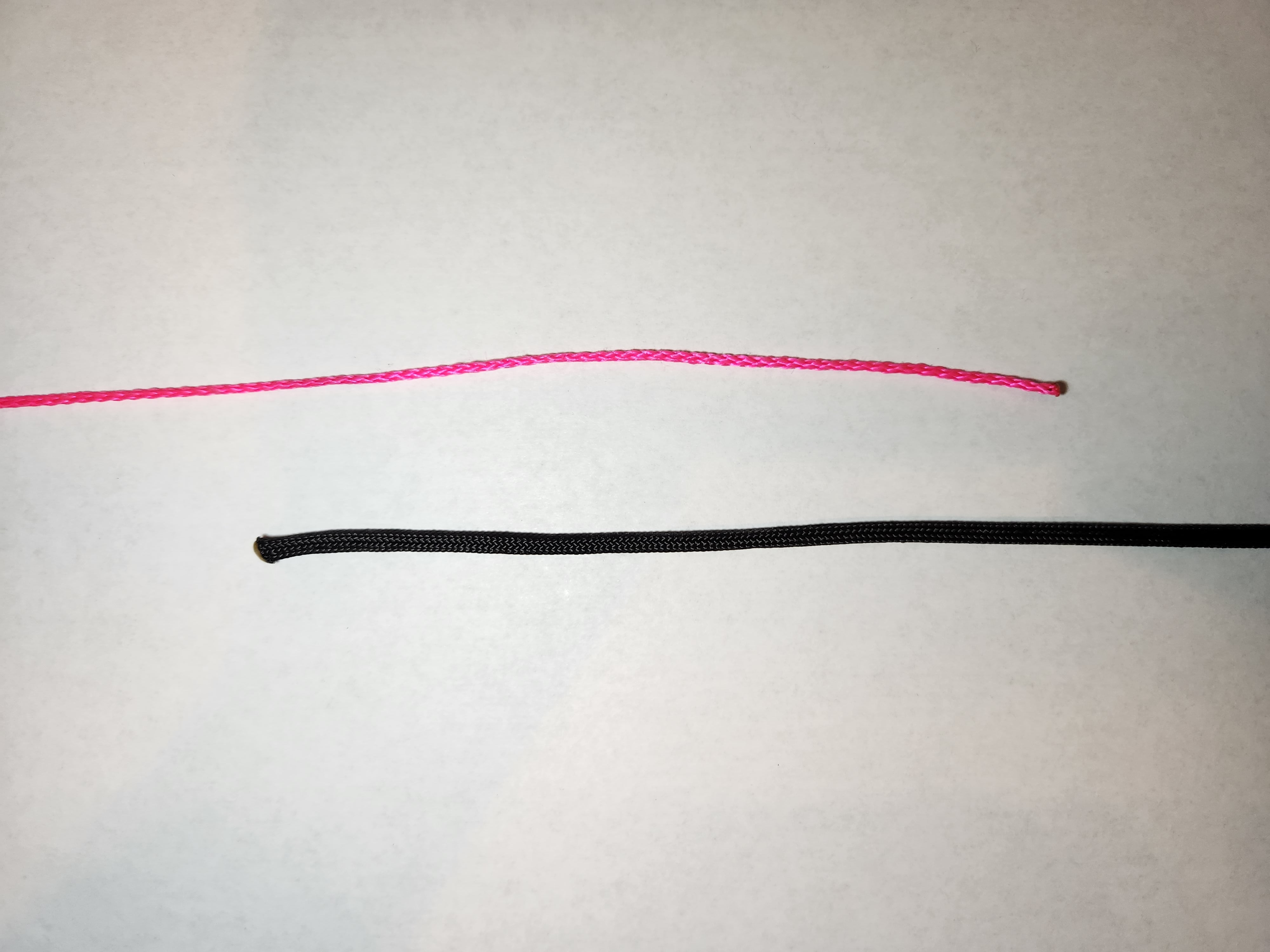
Overlap your two lines with each other.
Step 2
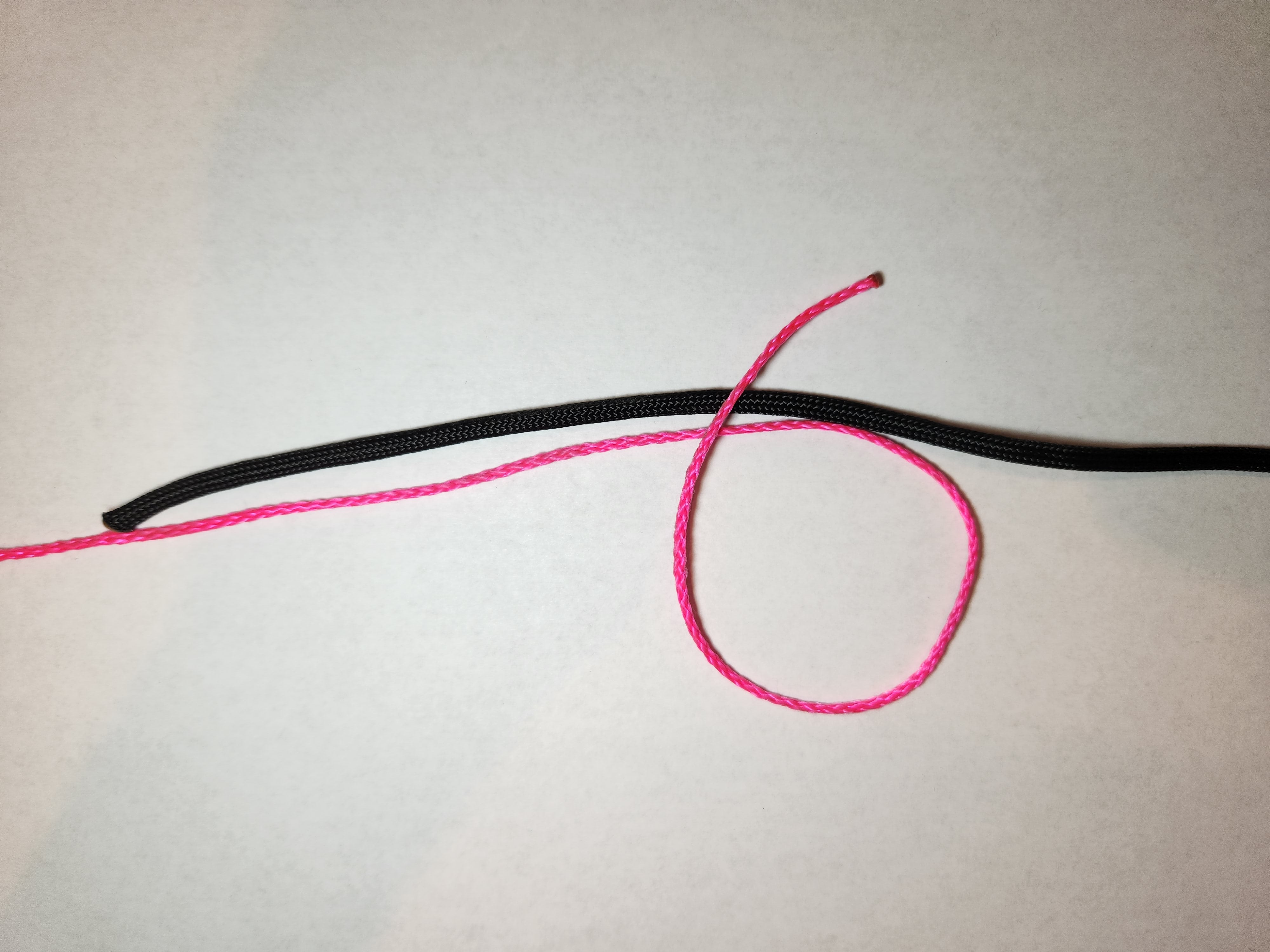
With the first line make a loop parallel to the other line, don’t cross over the other line just yet.
Step 3
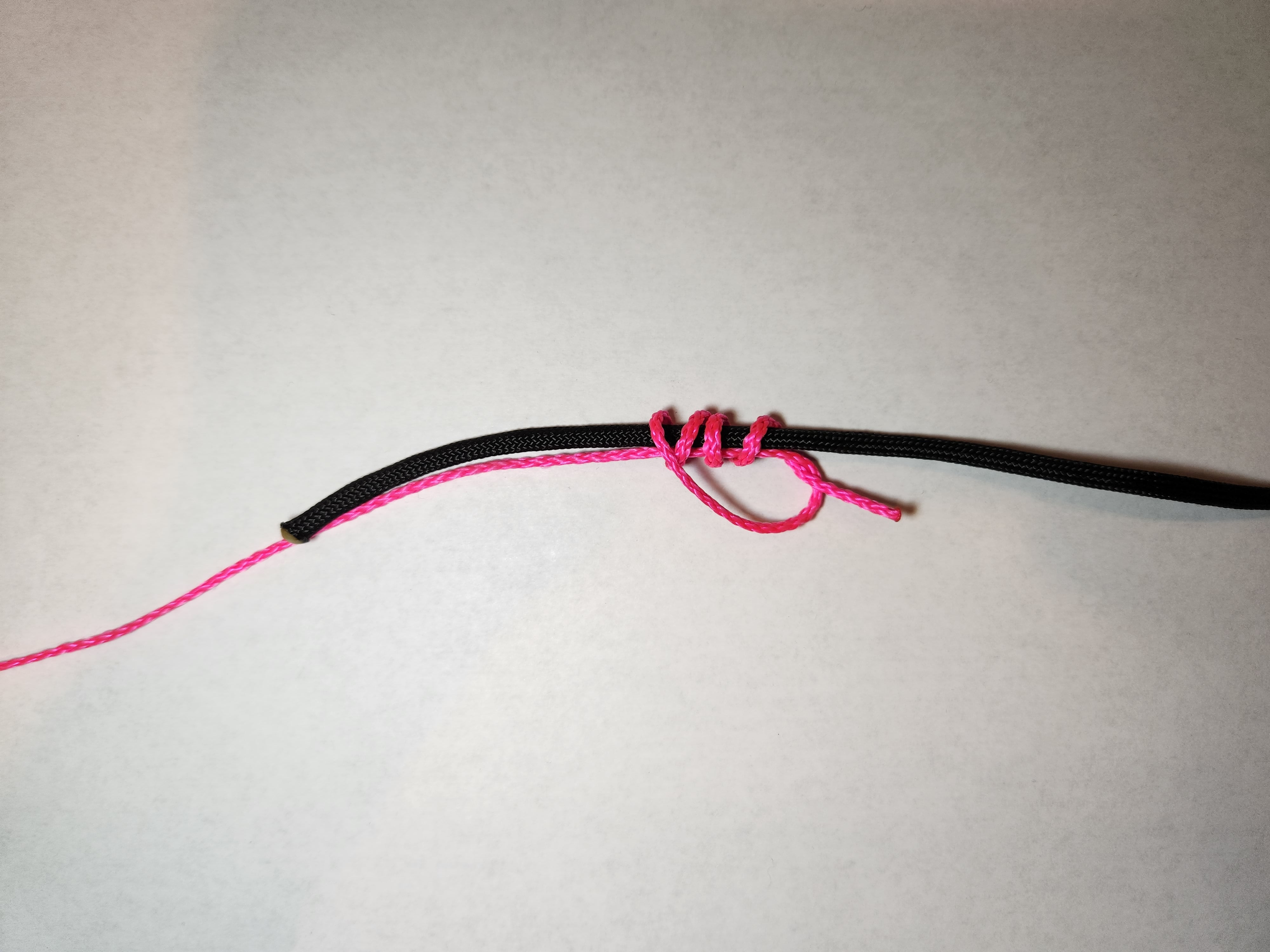
Wrap the tag end of the first line several times through the loop you first formed, minimum four wraps but use more for the thinner the lines you are tying.
Step 4
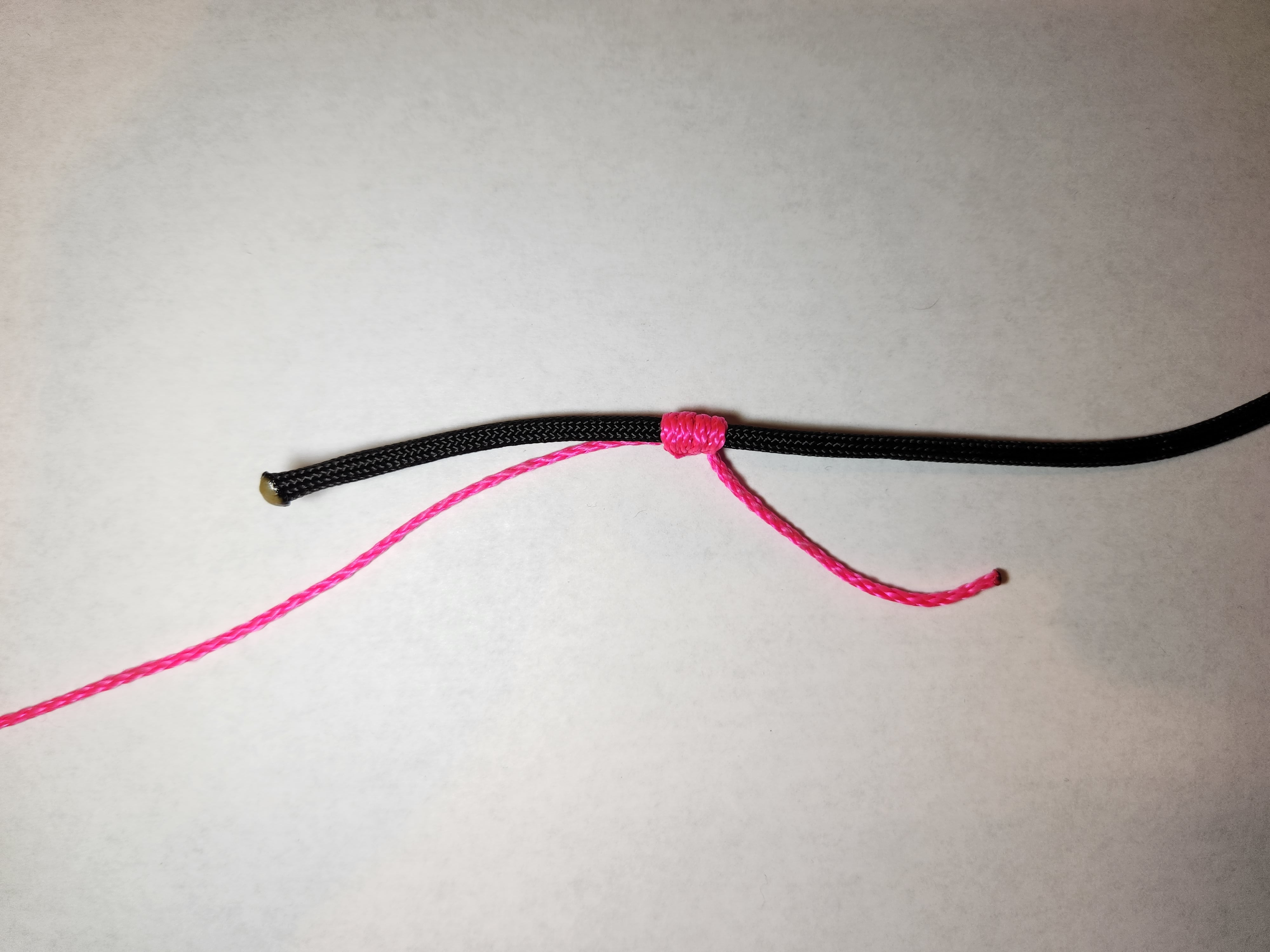
Wet the line and wraps and then cinch the knot down, but not too tight, and leave the tag end still.
Step 5
Now with the other line, you are going to repeat steps 1 through 3 and start tying another uni knot on the first line.
Step 6
Again make sure the line is wet then tighten the second uni knot but again don’t cinch it all the way down.
Step 7
Wetting both the lines, pull the two uni knots towards each other. Once they are tight against each other do a final cinching down and then cut the tags short. If using a monofilament line you can carefully use a lighter to make a small bead of melted line at the tag end for extra security, but you must make sure not to burn the knot or lines.

 Most people use rifle slings to carry a long gun when their hands are busy with other things. Various trends have come and gone, such as the three-point and one-point slings. Another classic style of sling that is not as common today is the shooting sling, which secures around the arm to add tension and […]